
Olbia: a small city with a thousand-year history
Olbia, whose name derives from the Greek ὄλβιος (“happy,” “prosperous”), is the gateway to northeastern Sardinia and a hidden gem that blends sea, history, and urban vitality.
The town displays ancient traces: settlements from the Neolithic, the Bronze Age with nuraghes, several of which remain around the city, then the Phoenicians and Greeks, and a central role during the Roman era, which also left the most significant and visible traces in the city center.
Over the centuries, it has transformed from a port city to a modern tourist and service center, while maintaining strong ties to its tradition and the surrounding nature.

The historic center
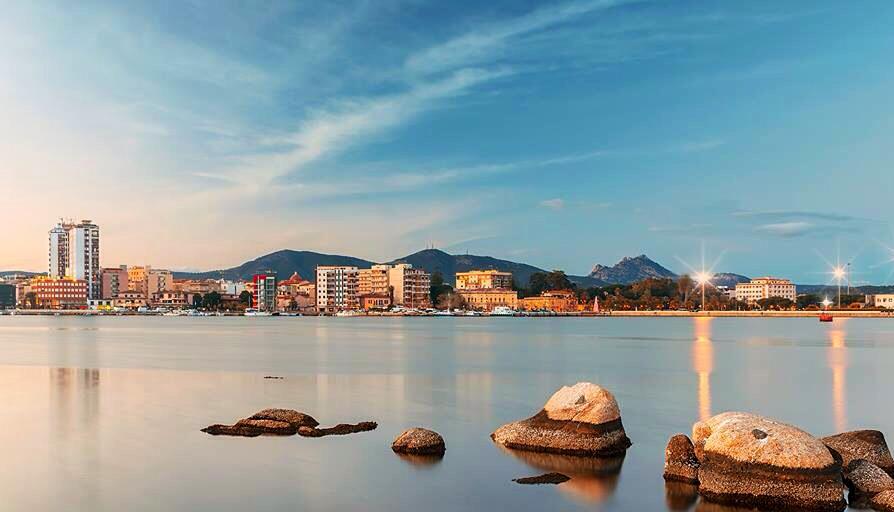
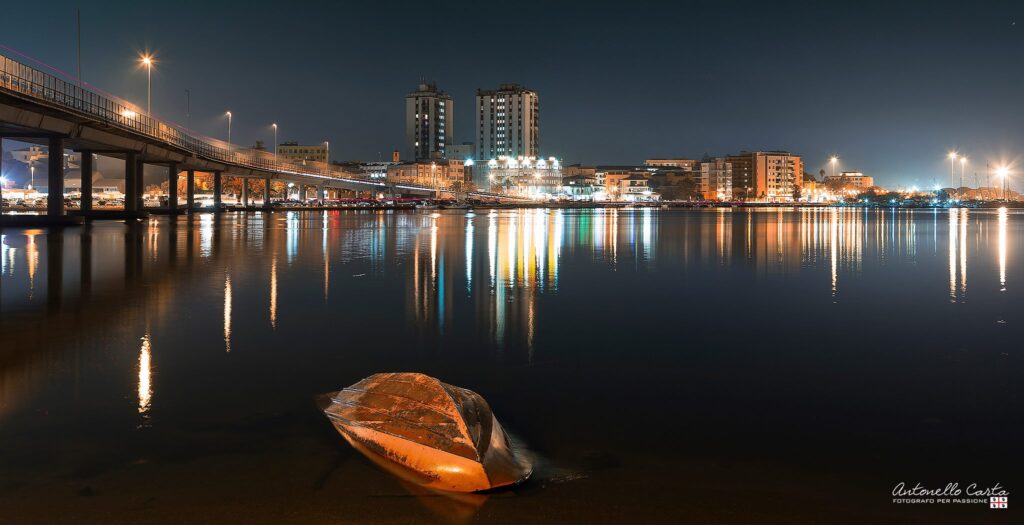
Olbia’s historic center is compact and accessible on foot: the main streets and squares (such as Corso Umberto) invite you to stroll, stop for a coffee, and soak up the atmosphere of this Gallura village. In the evening, there’s a lively nightlife with trendy bars and restaurants and a pleasant stroll along the seafront.
The Basilica of San Simplicio (11th-12th century) stands out, housing a Punic-Roman necropolis with approximately 450 tombs. Traces of the Roman era are also evident: an aqueduct, baths, and paved streets.
A visit to the historic center is the perfect way to combine culture, sightseeing, and relaxation.
What is Olbia famous for?
Olbia is famous for several reasons:
It is an important gateway to northeastern Sardinia: an international airport, port, and tourist services.
Its small port, Porto di Olbia (Isola Bianca), is one of Sardinia’s main ports for passenger and cargo traffic, connecting the island to the mainland.
Its connection to nature and the sea: the coast and stunning surrounding beaches make it a sought-after destination.
Its historical and archaeological heritage: from the Nuragic settlements to the Punic city to Roman Olbia.
What is the most beautiful area of Olbia?
The “nicest area” may depend on what you’re looking for, but here are two areas that stand out:
The historic center: perfect if you want to experience an authentic atmosphere, among narrow streets, ancient churches, and good food.
The coast and coastal villages: For those who love the sea, one of the most beautiful areas is the Costa Smeralda / Gulf of Olbia, with beaches such as Porto Istana, Li Cuncheddi, and the stretch that starts from Olbia towards the northeast.
If I had to offer a tip from Olbia: choose accommodation that allows you to easily reach the historic center and enjoy the coast so you have the best of both worlds.
Connections: Airport, Port, Railway Station and Roads
Here’s a handy overview of Olbia’s connections:
Olbia-Costa Smeralda International Airport: Located a short distance from the city center, it receives national and international flights. The official website lists it as the main tourist arrival point in northeastern Sardinia.
It is well served by urban and regional buses: urban lines (for example, ASPO lines 2 and 10) connect the airport to the center of Olbia in about 10-15 minutes.
You can arrive by train + bus via Olbia Terranova station thanks to the “Olbia Airlink” service.
Port of Olbia (Isola Bianca): It is a strategic port, with connections to the Peninsula.
From the airport to the port there are connections with urban/regional buses (for example the lines already mentioned) in about 15-20 minutes.
It is also easily accessible by car thanks to good access roads.
Olbia Terranova train station is connected to Sardinia’s rail network. From there, you can continue by bus to the airport and other destinations.
Roads: Olbia is connected to the main Sardinian state roads, such as the SS 131 Diramazione Centrale Nuorese towards Nuoro/Cagliari, the SS 127 towards the Gallura hinterland, and the SS 125 towards the eastern coast.
This makes Olbia a strategic point both for those arriving and for those who want to explore Gallura and the surrounding coasts.